
Ion exchange is the mechanism. Physics does the rest.
Hard water carries positively charged calcium (Ca²⁺) and magnesium (Mg²⁺) ions in solution. A Soften system passes this water through a tank of negatively charged resin beads pre-loaded with sodium (Na⁺). The calcium and magnesium ions are attracted to the beads; sodium ions are released in exchange. The water leaving the tank carries sodium — which does not form scale — instead of the minerals that do.
“The resin bed is essentially a molecular trading post. Calcium and magnesium check in; sodium checks out. The exchange is electrochemical, reversible, and — when the system regenerates with brine — indefinitely repeatable. A well-maintained resin bed routinely operates beyond ten years.”
— DR. SHIORI NAKAMURA · Senior Research Fellow, Water Science, UNSW Sydney
Regeneration cycle
When the resin nears depletion, a concentrated brine solution flushes through the bed. Sodium ions displace the captured calcium and magnesium, which drain away. The system resets automatically — typically overnight, when water demand is lowest.
Hard water enters resin tank
Ion exchange cycle — animated live
10+
Years typical resin lifespan
99%
Hardness ions removed per pass
Four systems. One quiet attacker.
Calcium and magnesium don’t announce themselves. They accumulate over months and years, inside pipes you can’t see and on elements you can’t reach — until the repair bill arrives.
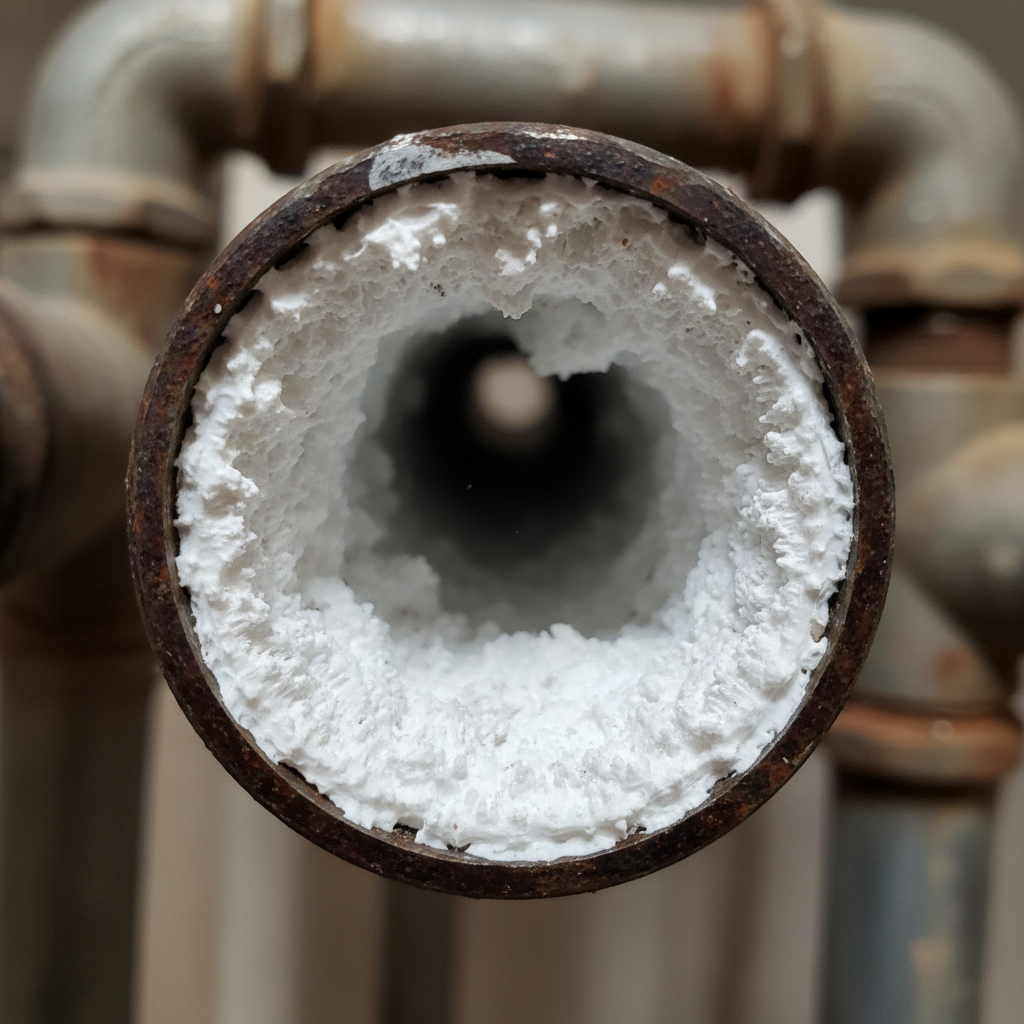
Your hot water system is scaling shut.
When hard water is heated, calcium carbonate precipitates out of solution and bonds to heating elements, tank walls, and pipe interiors. A 6mm scale deposit reduces heat transfer efficiency by up to 40% — the element works harder, draws more power, and eventually fails. Average hot water system lifespan in hard-water homes: 7 years. In softened homes: 14 years.
— Marcus Webb · Licensed Plumber, Ryde
Washing machines. Dishwashers. Kettles.
Every appliance that heats water accumulates scale. Heating elements in washing machines and dishwashers can fail 50% earlier in hard-water homes. Limescale is the number one cause of preventable appliance failure in Australian households.
earlier appliance failure
Hard water and eczema.
Calcium and magnesium interact with soap to form surfactant deposits — particularly sodium lauryl sulfate — that remain on skin after washing. These deposits disrupt the skin barrier. A pooled analysis of seven studies (n = 385,901) found children in hard-water areas had 28% higher odds of atopic eczema.
odds of childhood eczema (OR, 95% CI 1.09–1.50)
— Dr. A. Okonkwo · Dermatologist, St Vincents
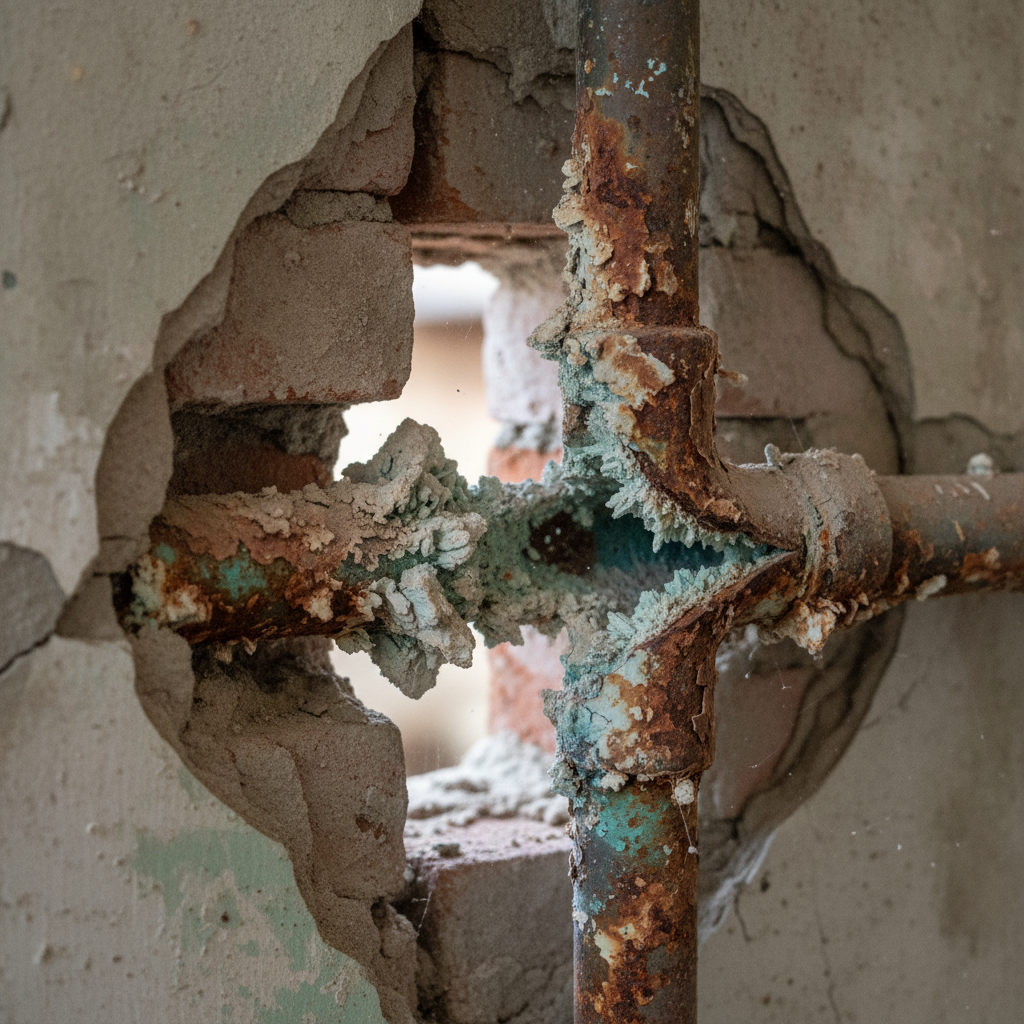
Pipes don't announce their failure. The bill does.
Scale accumulation in copper and PVC supply lines narrows bore diameter over years — imperceptibly, until flow rate drops or a section fails entirely. In high-rise strata buildings, a single compromised riser can require full floor isolation, temporary water shutdown across multiple units, and insurance claims that dwarf the cost of a building-wide softener system installed at commissioning.
— Lena Kowalski · Strata Compliance, Parramatta
Three clients. One problem.
Whether you own a Hills District home, manage a Parramatta high-rise, or run a Surry Hills café — the chemistry is the same. The solution is the same. Only the scale of the system changes.
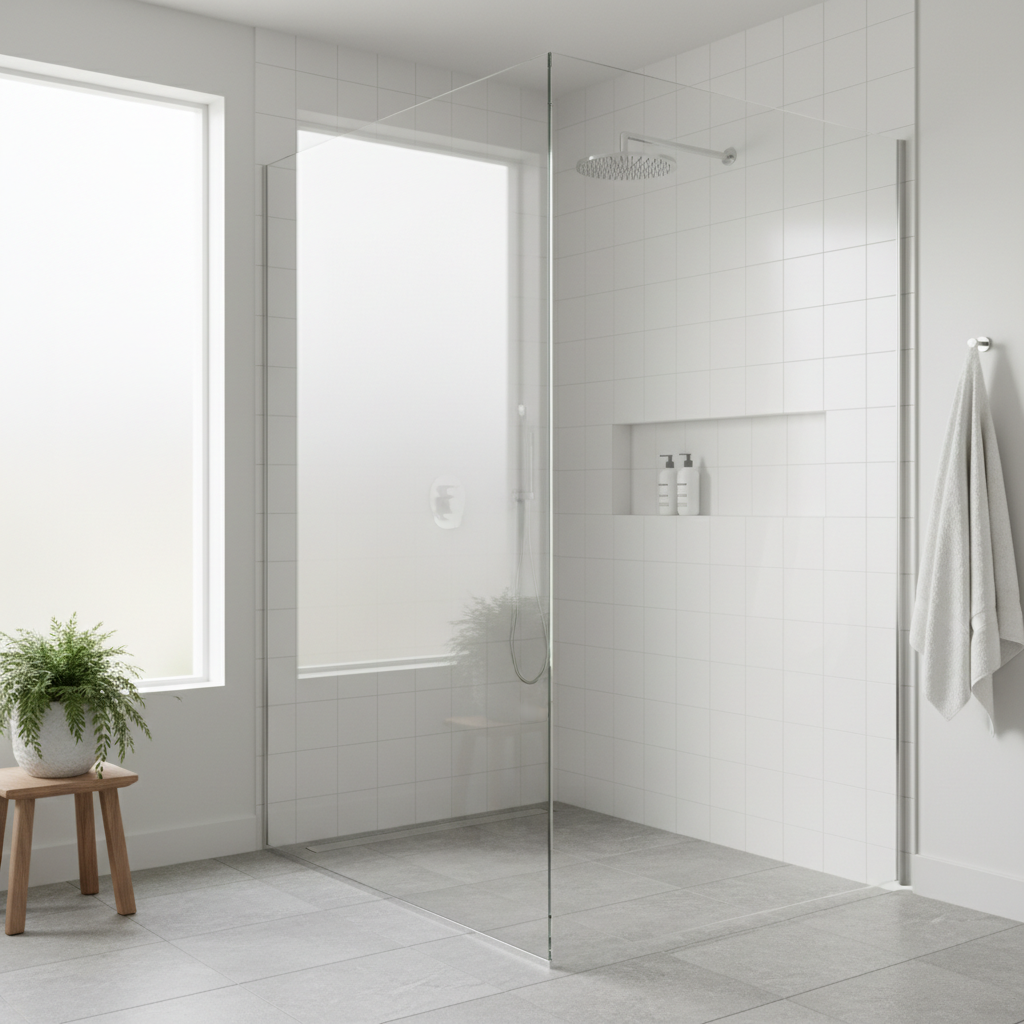
The white crust on your shower screen is the least of it.
You've noticed the shower screen. The kettle element. The faint smell of scale when the dishwasher runs. What you haven't seen is the inside of your hot water cylinder — the calcium carbonate layering across the element, adding millimetres each season, reducing efficiency, shortening the unit's life.
A Soften whole-home system installs at the mains, before water reaches any fixture. From that point, every tap, every appliance, every shower delivers softened water. Installation typically takes four hours. The difference is immediate.
"The shower screen stays clear now. That sounds trivial until you've spent three years scrubbing it."
— Tom Matheson · Kellyville, Hills District
7→14
Hot water system lifespan (years)
£0
Ongoing descaling products needed
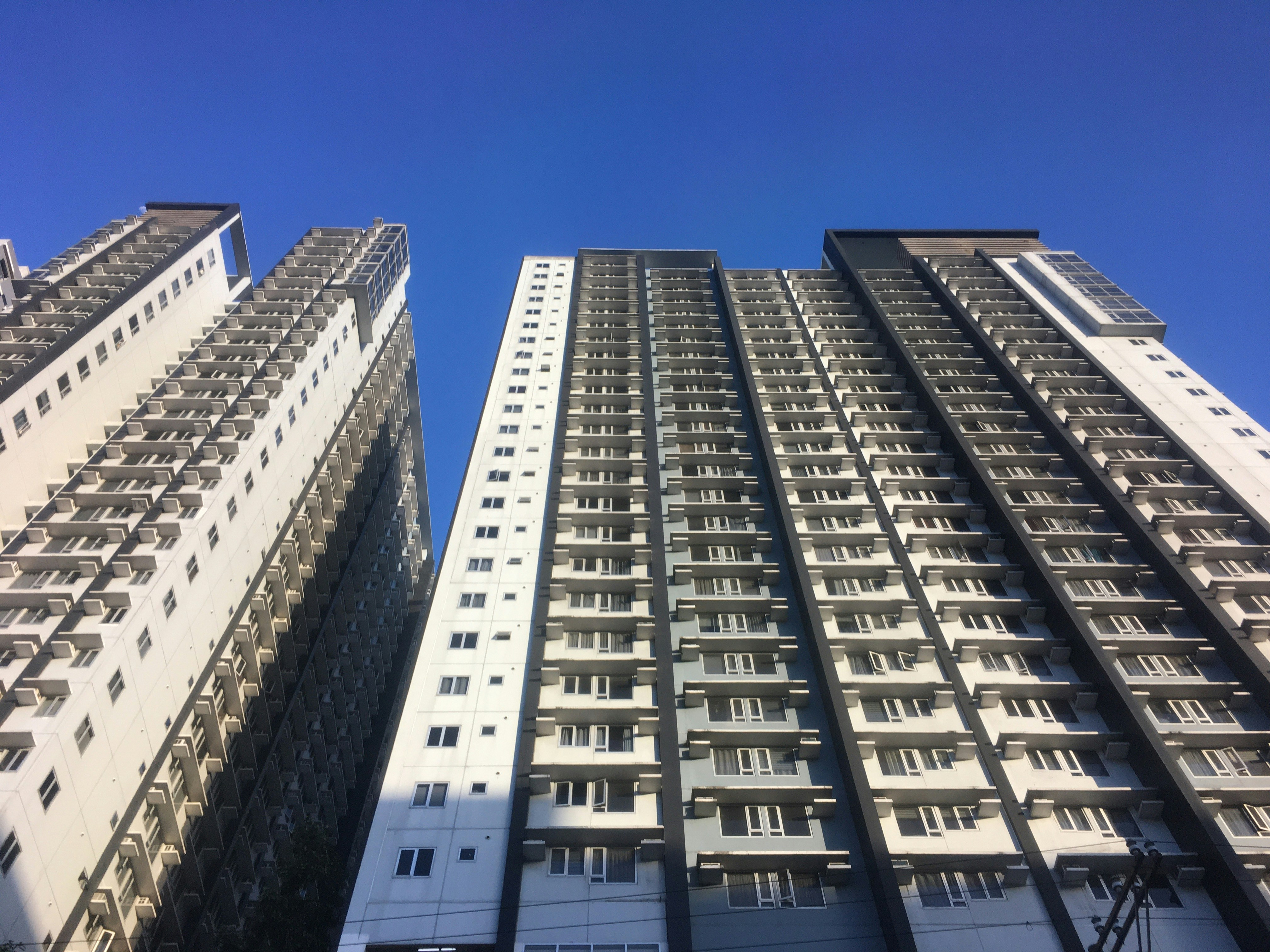
One softener system. Every unit protected.
In Parramatta and the greater west, strata managers are fielding the same complaints: discoloured tap water, low shower pressure on upper floors, appliance failures within warranty periods. These are symptoms of the same cause — mineral accumulation in shared risers and building-wide supply lines.
Soften designs and installs commercial-grade softener systems for multi-residential buildings. A single point-of-entry system protects every unit, common area, and shared appliance. We handle body corporate compliance documentation, provide annual maintenance reports, and offer a building-wide water quality guarantee.
"I stopped fielding water complaints after the first maintenance cycle. The difference in strata meeting agendas was noticeable."
— Lena Kowalski · Strata Manager, Parramatta
100%
Units protected from single install
↓72%
Water-related maintenance calls (yr 1)

Your espresso machine shouldn't need descaling every eight weeks.
In Surry Hills and the inner south, café owners are running descaling cycles every six to eight weeks — an hour of downtime, a consumable cost, and a constant risk of machine failure during peak service. The culprit is the same calcium carbonate building up in group head lines, boilers, and steam wands that affects residential appliances.
Soften installs commercial softener systems sized for café water demand — from single-group filter espresso bars to high-volume multi-group operations. The result: descaling intervals extend to six months or more, machine lifespan increases, and extraction consistency improves because mineral content is stable and controlled.
"We went from descaling every six weeks to twice a year. The extraction is more consistent, and the machine hasn't been down for an emergency service in eight months."
— James Osei · Surry Hills café operator
6–8×
Longer descaling intervals
+2yrs
Average machine lifespan extension
Know your suburb. Know your water.
The Sydney Hard Water Report is a 12-page technical document we produce for each Sydney catchment zone — covering calcium carbonate concentration data, appliance impact projections, and a cost model showing the ten-year financial case for softening your specific home or building type.
Report Contents
Prefer a physical test?
Our licensed technicians visit your home or building, take a water sample from your mains supply, and return a full hardness analysis within 48 hours — at no cost.
Common questions.
If your question isn’t here, the free water test booking includes a 30-minute technical consultation.
Will softened water affect the taste of my drinking water?
Ion exchange replaces calcium and magnesium with a small amount of sodium. At the concentrations produced by a correctly sized domestic softener, this is imperceptible to taste and well within Australian Drinking Water Guidelines. Many clients choose to retain a single unsoftened tap at the kitchen sink for drinking — a simple addition during installation.
How much salt does a water softener use?
A typical household system uses approximately 3–5 kg of salt per month during regeneration cycles. The brine tank is refilled with standard block or granular salt, available from most hardware stores. Soften's annual maintenance plan includes salt delivery and top-up as standard.
Is softened water safe for gardens and outdoor use?
Softened water contains slightly elevated sodium, which can affect sodium-sensitive plants in large quantities. We recommend bypassing the softener for outdoor irrigation lines — a standard configuration that adds minimal cost to the installation.
How long does installation take for a residential property?
A standard whole-home installation in a Hills District or Parramatta property takes approximately four hours. The system is installed at the mains entry point, before the hot water system and all internal plumbing. Water is off for approximately 45 minutes during the connection.
What happens during the annual maintenance visit?
Our licensed technicians inspect resin condition, test output hardness, check the brine tank and control valve, and calibrate regeneration timing. We provide a written report after each visit. Most systems require no component replacement for the first 8–10 years.
Does Soften service strata buildings in Western Sydney?
Yes. We design and install commercial-grade point-of-entry systems for multi-residential buildings, with body corporate compliance documentation and building-wide water quality guarantees. Contact us for a building assessment — we work directly with strata managers and owners corporations.